Skip to content

Bad Times AI Video Generator

Cast exactly one pet into Bad Times AI. The face, coat, and body should show. The output is a 30 second performance toward the camera.

Create a video

Pet photo

One pet takes a performance aimed at the lens

Bad Times AI is a fixed scene with one open role, and that role is a pet. The photo should show the face, the coat, and the body together, because those are the traits the performance has to carry. The animal faces the camera and works through an expressive run of looks and gestures. The output is 30 seconds. Nothing on this page reads the pet’s feelings, treats a mood, or offers therapy. Other species are not separately verified. Use an animal you have permission to feature, and judge the clip as a performance rather than as a diary.

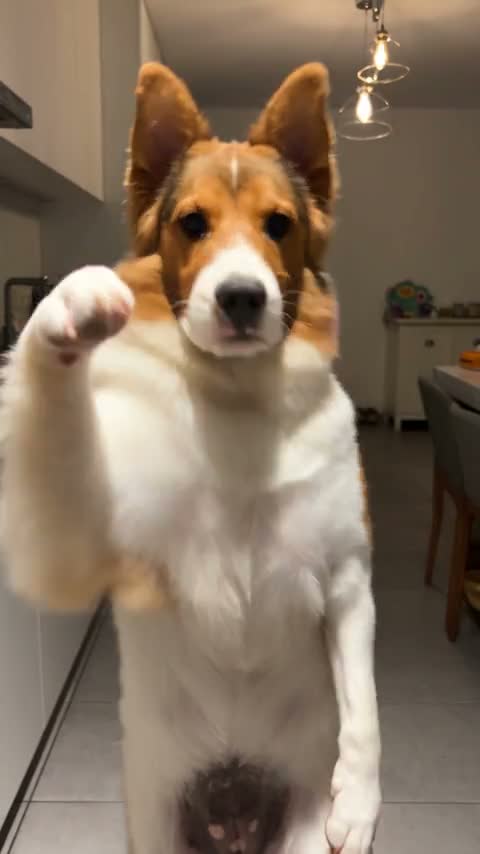
Community corgi in the thirty-second performance

Put one pet in front of this camera

  1. 01

    Choose exactly one animal

    The frame should contain the pet you mean and not a second animal sharing the attention. Face, coat, and body need to be visible in the same still. A collar or a small garment can be part of that picture, but the coat itself is the detail the scene has to hold for the full half-minute.

  2. 02

    Leave the performance where it is

    You are not filming a new speech or asking the pet to pose like the scene. The expressive turn toward the camera stays in the source. Select a resolution in Settings, because credits follow that choice. A different length or a scene you describe yourself belongs at /video.

  3. 03

    Watch all thirty seconds

    Open the result in My creations and play the full 30 seconds with sound. The soundtrack comes from the performance. Look at the face early, in the middle, and near the end, and check that the coat still reads. Download after that viewing, not from the thumbnail alone.

Casting a pet in Bad Times AI

One pet, and only one

Exactly one pet belongs in the upload. Two animals on a sofa, a person hugging a dog at equal size, or a collage of past photos gives the scene more than one candidate. The performance has a single body in front of the camera. If the still argues about which body that is, the result has to guess, and the guess can switch midway.

A person may appear small in the background of an otherwise clear pet photo, but the pet should dominate the frame. This page has no second slot for an owner, a friend, or another animal. If you want two pets to have a turn, make two clips. Each one needs its own still, its own coat, and its own review.

Show the face, the coat, the body

The useful photo is the one where you can name the pet without squinting. Eyes, muzzle, ears, and the main blocks of color should be visible, and the body should not be a rumor under a blanket. Bad Times AI has to carry that appearance through a long expressive performance. A face-only crop asks the scene to invent the rest.

Lighting can be plain. A dark room, a strong backlight, or a filter that smears the coat removes the very information the role needs. If the animal is wearing a bandana or a sweater, include it on purpose, knowing small patterns may soften. The coat color and the large markings matter more than a tiny tag.

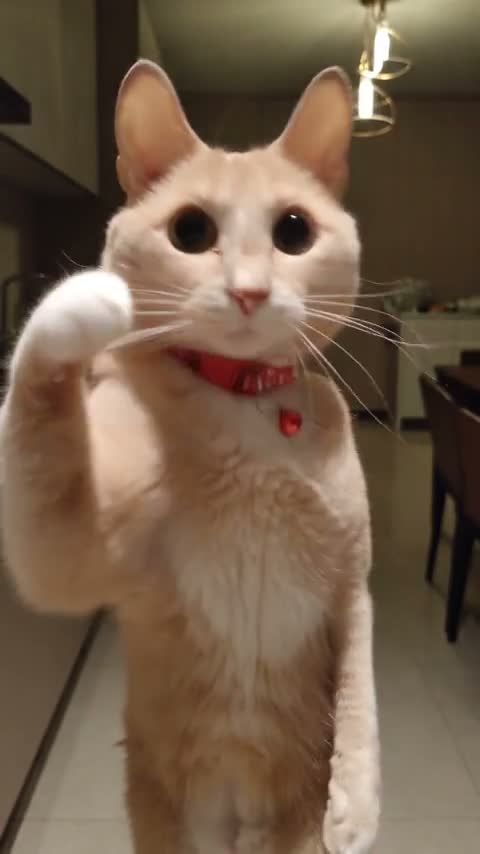
Community cat in the same performance

Facing the camera, on purpose

The scene is an expressive performance toward the camera. The pet looks out, reacts, and uses the face and paws in a sequence the source already timed. You do not need a photo of the animal mid-gesture. A calm, front-facing or three-quarter picture often tells the coat and the face more clearly than a blur of play in the yard.

The camera position stays with the performance. You are not choosing a new angle, a cutaway, or a walk across a room. What you are choosing is who occupies the body that already faces the lens. Watch whether that identity survives the bigger expressions, when the mouth opens and the head moves, rather than only in the quiet first second.

Thirty seconds in the same performance

The output is 30 seconds. That length is the scene, not a setting you stretch or trim on this page. Half a minute is long enough for the expression to change several times, so a coat that looks right at the opening can still slip later. Plan to watch the full half-minute before you call the cast done.

There is no separate control for a shorter version. If you need another duration, another room, or a story you write yourself, go to /video. Staying here means accepting the 30 second performance as it is staged, with your pet in the single role. Credits follow resolution, and resolution will not buy you extra time.

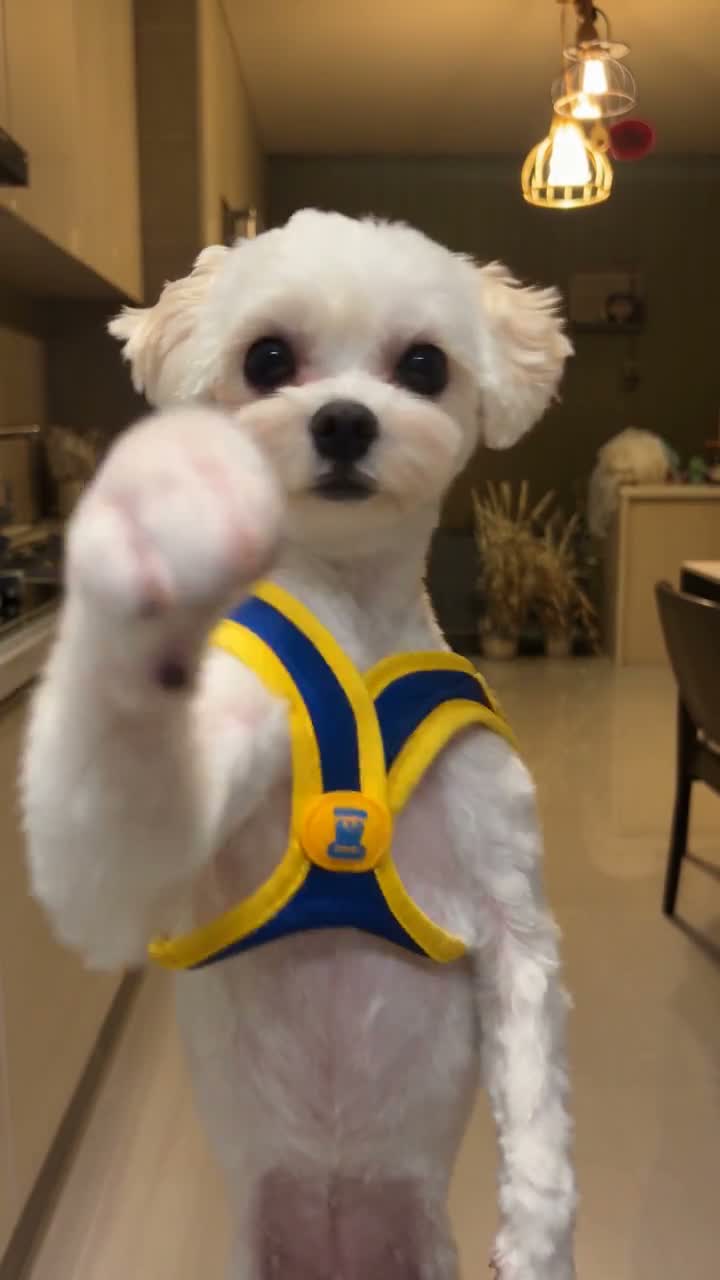
Community white dog held in the scene

Expression without a diagnosis

The performance can look emphatic, restless, or heavy. Those are qualities of the scene, the way a posture or a look reads on camera. They are not a report on the animal in your house, and they are not a reading of how anyone watching is feeling. Bad Times AI does not diagnose a mood. It does not treat one either.

Do not offer the clip as therapy, counseling, or evidence that a pet is in distress or has recovered from it. If the title sounds emotional, keep the caption on the performance. A viewer who needs real help for a person or an animal needs a qualified source, not a generated scene. The page is a cast, and the boundary is part of using it honestly.

Species this scene does not confirm

Bring one pet, and do not treat other species as verified. The scene was not given a separate confirmation for every kind of animal a person might upload. A body plan far from the one the performance shows can bend the gestures, the paws, and the face in ways you should not assume will settle. Review whatever you generate. Do not cite this page as proof that a species works.

Even among familiar pets, proportions differ. A long back, a flat face, or very large ears gives the same gestures a different silhouette. Bad Times AI adapts the performance to the photo only as far as the result actually shows. If the anatomy looks unsettled, that is a limit of the cast, not a verdict on the animal and not a reason to claim a broader test than the page has.

Still of the corgi facing the camera

How the coat holds up in motion

Large areas of color are the coat details most likely to remain legible across 30 seconds. A white chest, a dark saddle, or a clear mask can help you recognize your animal while the head moves. Speckles, thin stripes, and small spots are easier to lose. Look for the big pattern at several moments, not only on the opening frame.

The page does not promise that every hair or marking will match the still. Paws can smear during a gesture, and the outline can shift when the body leans toward the lens. If a marking you care about is missing from the photo, it will not be recovered by a higher resolution. Put it in the still, then check whether the performance kept it.

Permission, the track, and a custom scene

Feature a pet you have permission to use. A neighbor’s animal, a creator’s pet, or a picture pulled from a stranger’s page is not yours to cast just because the scene is playful. The same care applies to any person who happens to be in the photo. Permission is the entry condition, before resolution and before the 30 second result.

The soundtrack comes from the performance. There is no separate voice to record and no new line for the pet to say. Listen through the full output in My creations. Credits follow the resolution in Settings. When the idea stops being this camera-facing performance and becomes a scene of your own, continue at /video.

Still of the white dog in the scene

Bad Times AI: your questions answered

How many pets does Bad Times AI take?

Exactly one. The face, coat, and body should all be visible. A second animal or a collage makes the role unclear. Give each pet a separate clip if you want to compare them.

What is the performance actually doing?

The pet faces the camera in an expressive performance that lasts for the whole scene. You do not need a matching pose in the photo. The timing and the camera stay in the source.

How long is the output?

The output is 30 seconds. This page does not trim or extend that performance. Watch the full half-minute, not only the opening expression, before you download.

Does the clip diagnose a mood or provide therapy?

No. An emphatic or heavy look belongs to the performance. Bad Times AI does not diagnose emotions and is not therapy for a person or a pet. Keep that limit in the way you share it.

Are other species verified for this scene?

No. Other species are not separately verified. Upload one pet and judge the actual result. Do not describe an untested body plan as something this page has confirmed.

What follows the photo: sound, credits, or a new scene?

The soundtrack comes from the performance. Credits follow the resolution you choose. Permission is required for the pet. A prompt for a different scene or length belongs at /video.

Place one pet in Bad Times AI

Use a still that shows the face, coat, and body, and leave the expressive performance on its own 30 second clock. It is a cast scene, not a reading of anyone’s feelings.

Try Bad Times AI